New U.S Wide, Liquor Store, Tax Hike on NA-Beer and 40-Proof Alcohol
New U.S. Wide Liquor Store Tax Hike on NA-Beer and 40-Proof Alcohol.
Sound Ridiculous?
We thought so too... but, we did get your attention.
Yes, that's precisely how ridiculous these new state-by-state tax hikes on flavored smokeless tobacco products are. Think about it; if the Fed's and state lawmakers wanted to push the agenda for reducing underage and teen alcohol consumption, why not follow suit with with these absurd tax hikes on smokeless tobacco products and raise the liquor tax on all flavored alcohol products. Teens and other underage consumers of alcohol would no longer have less expensive access to flavored vodka, honey flavored bourbon and flavored schnapps, for starters. And what about all the flavored 6% alcohol seltzers and 4% fruit enhanced beers, which teens and underage consumers have turned to in droves?
In fact, state lawmakers and our federal government should not only cease and desist with these derisory tax penalties on consumers and retailers, and instead they should be providing consumers seeking to stop smoking cigarettes and the inhaling of lipid ridden Vapes with coupons and other incentives to quit smoking and make the switch to much less harmful, smokeless tobacco products, such as nicotine pouches and aerosol sprays.
Taxing alternative nicotine products is a health policy buzzkill for all Americans:
Cigarettes have historically dominated the United States nicotine market, but much has changed over the last decade. With the introduction of vapes and oral pouches as alternatives to cigarettes, smoking rates have plummeted.
This is great news. But sadly, not all lawmakers are seizing this opportunity to use their tax codes to encourage these dramatically safer alternatives — and both revenue and public health are suffering for it. As states grapple with how to tax the transforming tobacco and nicotine market, policymakers should carefully consider the tax mix they implement.
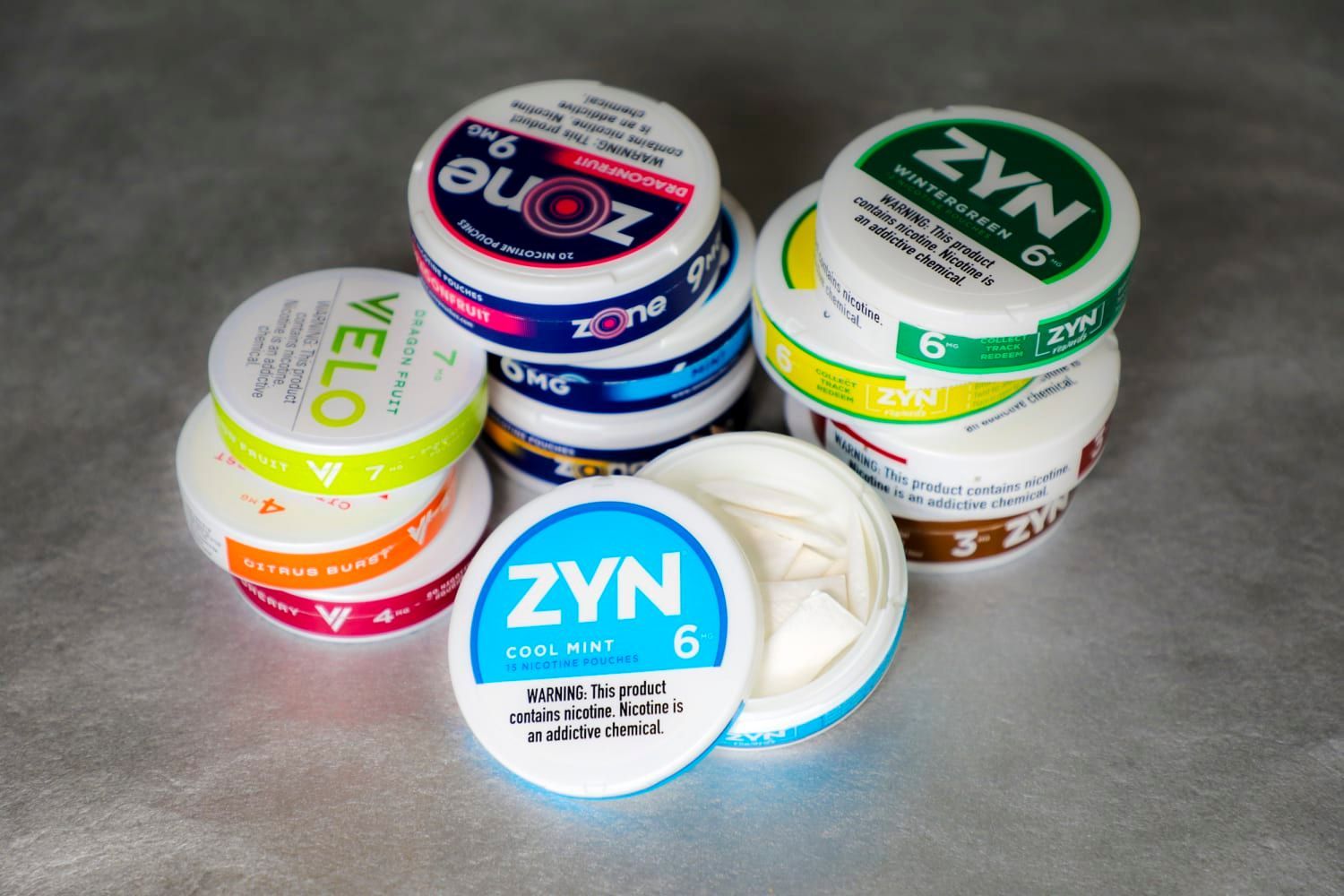
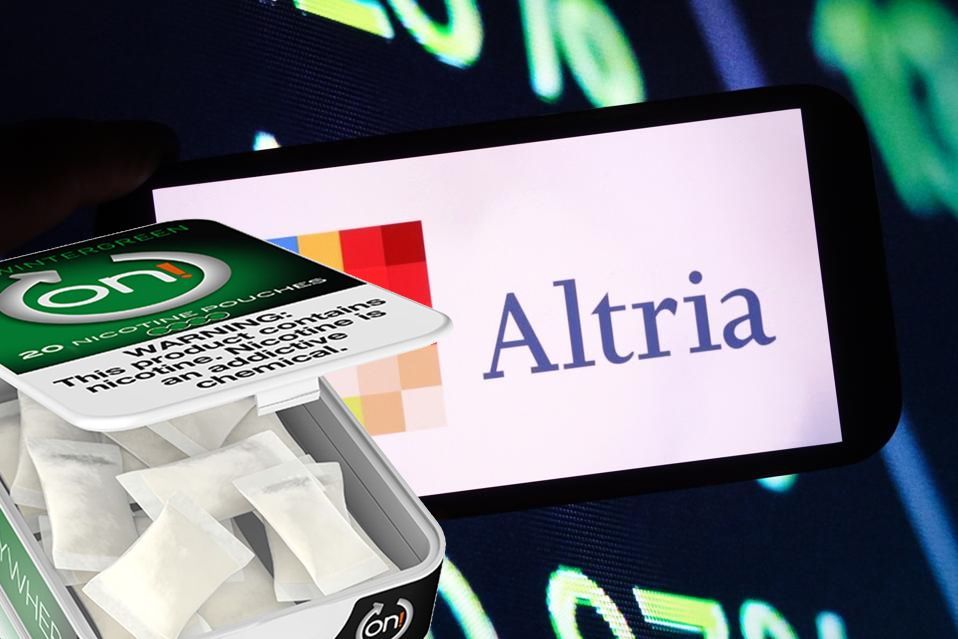
This debate is unfolding right now in New York. Just last month, Gov. Kathy Hochul’sbudget called for broadening the Empire State’s pre-existing 75% wholesale tax on tobacco products to include all alternative nicotine products, adding a $0.55/unit tax on vapor atop the current 20% retail tax. She’s even aptly nicknamed this proposal the “ZYN tax.”
Why New York's 'ZYN tax' is misguided:
Despite the fact that products like ZYN don’t even contain tobacco, from a purely economic standpoint, this approach is misguided. From a public health point of view, it’s potentially destructive.
Data shows that products that allow users to consume nicotine via methods other than combustible cigarettes cause substantially less harm — to themselves and to their neighbors. Lawmakers should want to see consumers move toward safer products. Treating all nicotine products as cigarettes for tax reasons, while telling consumers they carry identical dangers, puts that aim at risk.
To be fair, Hochul’s proposal is not unique. Exuberant tax rates on alternative tobacco products are pervasive across the United States. Multiple states, including New Mexico and Nebraska, are also actively considering similar tax hikes. But the lessons from states that have placed insanely high tax rates and implemented bans on certain alternatives — including New York — should be proof that more taxes aren’t the answer. In fact, they’re part of the problem.
When states make it harder for taxpayers to switch to tobacco alternatives, illicit markets thrive. Some projections estimate that in states with bans on alternative products (like flavored vapes), illegal contraband — which does not comply with any health regulations and raises no revenue for states — now comprises an estimated 86% of the state’s nicotine consumption.
The problem:
This is a costly mistake. Revenue that would have otherwise come in through taxes on alternative products is now in the hands of smugglers. It also poses severe health ramifications. A tax increase on vaping from 35% to 95% in Minnesota, for example, was estimated to have prevented 32,400 people from switching from cigarettes to other products. If applied nationwide, this would prevent more than 1.8 million people from quitting over a 10-year period.
Design policy that prioritizes harm reduction:
If Hochul’s aim with the ZYN tax is only to address “public health concerns,” her solution should be a policy design that prioritizes harm reduction and incentivizes New Yorkers to switch to safer nicotine products. An appropriate tax structure for alternative nicotine products could look like a specific tax per milliliter for vaping products and by weight for heated tobacco and modern oral products.
Tax Foundation has modeled how this could work, even providing a structure that would reduce rates between 50% and 100% based on how much less harmful these products are and whether cigarette smokers are willing to switch.
The nicotine market in the United States has transformed, and it’s time for policymakers to recognize that switching to alternative products from combustible cigarettes, while not perfect, is a public health achievement. Instead of New York’s proposal to penalize alternative nicotine products, a modernized approach that employs tax structures aligned with relative harm would yield substantial benefits.
Of Interests:
As of late 2024–2025, approximately 1.6 million U.S. middle and high school students currently use e-cigarettes, according to data from the National Youth Tobacco Survey. While overall usage has declined from peak levels, about 5.9% of youth report current vaping, with daily use among teens rising to 28.8% by 2024, indicating high addiction rates.
In 2025, the use of nicotine pouches among U.S. high school seniors rose to 4.4%, up from 1.4% in 2023, according to the 2025 Monitoring the Future survey. While vaping rates have slightly declined (15.7% for seniors in 2025), many teens are switching to or combining pouches with vapes, with pouches becoming the second most used tobacco product.
At Air2, we believe there is a better way to achieve true, methodical nicotine reduction and reduce greatly the risks associated with smoking cigarettes and vaping harmful chemicals. VaporEFX - www.Air2vapor.com
VIEW THE ORIGINAL, UN-EDITED ARTICLE HERE
by:
Adam Hoffer
Special to the USA TODAY Network